



History of Steel
Steel is one of the world’s most essential materials. It is fundamental to every aspect of our lives, from infrastructure and transport to the humble tin-plated steel can that preserves food. With steel, we can create huge buildings or tiny parts for precision instruments. It is strong, versatile and infinitely recyclable.



Steel and raw Materials
Steel is indispensable to our modern way of life and critical to economic growth. The intrinsic benefits of steel make it a sustainable choice in a growing number of applications.
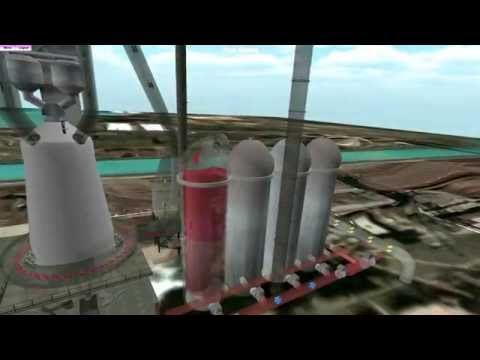
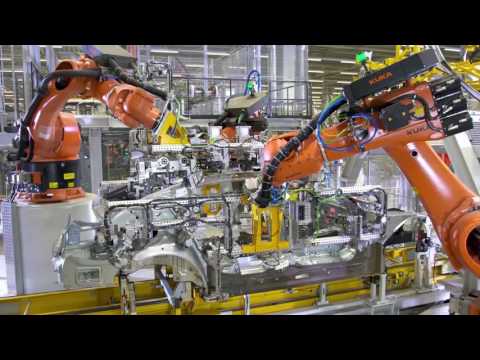
Overview of the steelmaking process
WorldAutoSteel is the opt-in automotive group of worldsteel. WorldAutoSteel’s mission is to advance and communicate steel’s unique ability to meet the automotive industry’s needs in a sustainable and environmentally responsible way. WorldAutoSteel is committed to a low-carbon future.
The steelmaking process
The process flow is:
- Input Raw Materials
- The range of input values differs according to route.
- Raw Materials Preparation
- Ironmaking
- Steelmaking
- Two main routes.
- Semi-finished Products
- Hot-rolled Products
- Finishing Operations
Complete Process Chain
Input Raw Materials → Raw Materials Preparation → Ironmaking → Steelmaking → Semi-finished Products → Hot-rolled Products → Finishing Operations



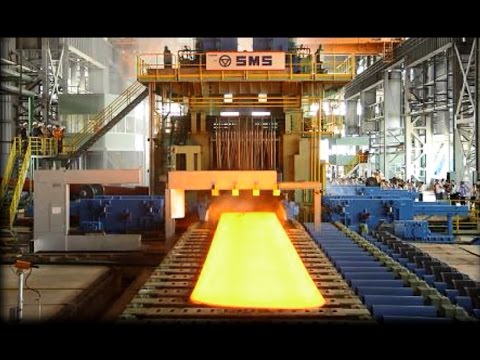
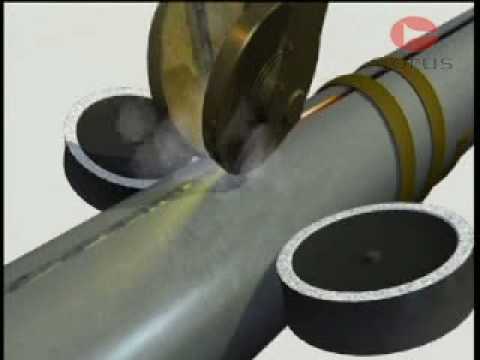
World Steel
The steel industry actively manages its energy use, recognising that responsible and efficient energy use in steelmaking is essential to maintaining competitiveness and minimising environmental impacts, including greenhouse gas emissions. Steel also enables energy savings over multiple life cycles through its 100% recyclability, durability and potential for lightweight applications.
Steel energy use
The steel industry actively manages the use of energy. Energy conservation in steelmaking is crucial to ensure the competitiveness of the industry and to minimise environmental impacts, such as greenhouse gas emissions. Steel saves energy over its many life cycles through its 100% recyclability, durability and lightweight potential.

Steel Manufacturing
Industrial development depended heavily on steel manufacturing throughout centuries because this metal shaped both physical structures and transportation systems along with various other industrial sectors.
Steel is critical to continued economic development and the backbone of global sustainable initiatives, including the energy transition. But the steel industry is also one of the world’s most energy-intensive, accounting for around 8% of global carbon dioxide emissions.
For steelmakers, reducing these emissions is critical as the global decarbonization agenda accelerates. Steelmakers that move now to improve the sustainability of operations can get ahead of evolving carbon regulations and capitalize on environmental, social and governance (ESG) metrics to gain a competitive edge.

EY - Global
Steel is one of the world’s most sustainable materials, but decarbonizing remains a challenge.
In brief
- Steelmaking currently contributes around 8% of the world’s total carbon emissions, making decarbonization a global priority.
- Technological advances have helped reduce emissions but there are five actions that can accelerate a sustainable transition.
- A collaborative approach from industry, government and consumers can build a commercially viable green steel market.
SUSTAINABLE STEEL
At the core of a green economy.
Steel is at the core of a green economy, in which economic growth and environmental responsibility work hand in hand. The steel industry believes that sustainable development must meet the needs of the present without compromising the ability of future generations to meet their own needs. Within this, a green economy delivers prosperity for all nations, wealthy and poor alike, while preserving and enhancing the planet’s resources.

NORTH AMERICAN STEEL INDUSTRY
Steel is an essential, irreplaceable material for modern society and the transition to a more sustainable future. The steel industry continues to lead in revolutionary
developments of new steel grades for our customers in the automotive, construction, machinery, packaging, and energy sectors.
FACTS ABOUT AMERICAN STEEL SUSTAINABILITY
Sustainable Steelmaking
The American steel industry is the cleanest and most energy efficient of the leading steel industries in the world. This is due to the high percentage of steel made from recycling scrap to make new steel, and the use of domestically-sourced iron ore pellets, as well as the increasing use of natural gas in place of coal and coke to make iron and steel with lower emissions.
Steel Production Greenhouse Gas Emissions
In recent years, there has been a surge of interest in the calculation and reporting of greenhouse gas (GHG) emissions from industrial sectors as part of a broader focus on decarbonization in the United States and around the world. These GHG emissions values are used in various ways, including in environmental disclosures and reports.
Sustainability Indicators Report 2025
As the world faces the escalating challenges of climate change, biodiversity loss, pollution, and the increasing call for a more inclusive and resilient global economy, sustainability has become far more than an ambition — it is now an imperative shaping how we live, work, and build the future.